Dental Implants in Chicago, IL
Single implants, full-arch All-on-4 and implant-supported dentures - what the published ranges are, what a quote has to itemise, and how the staged treatment actually runs.
Single implants, full-arch All-on-4 and implant-supported dentures - what the published ranges are, what a quote has to itemise, and how the staged treatment actually runs.
Tell us what you need and we route it to local implant dentists who do this work. Free, no obligation.
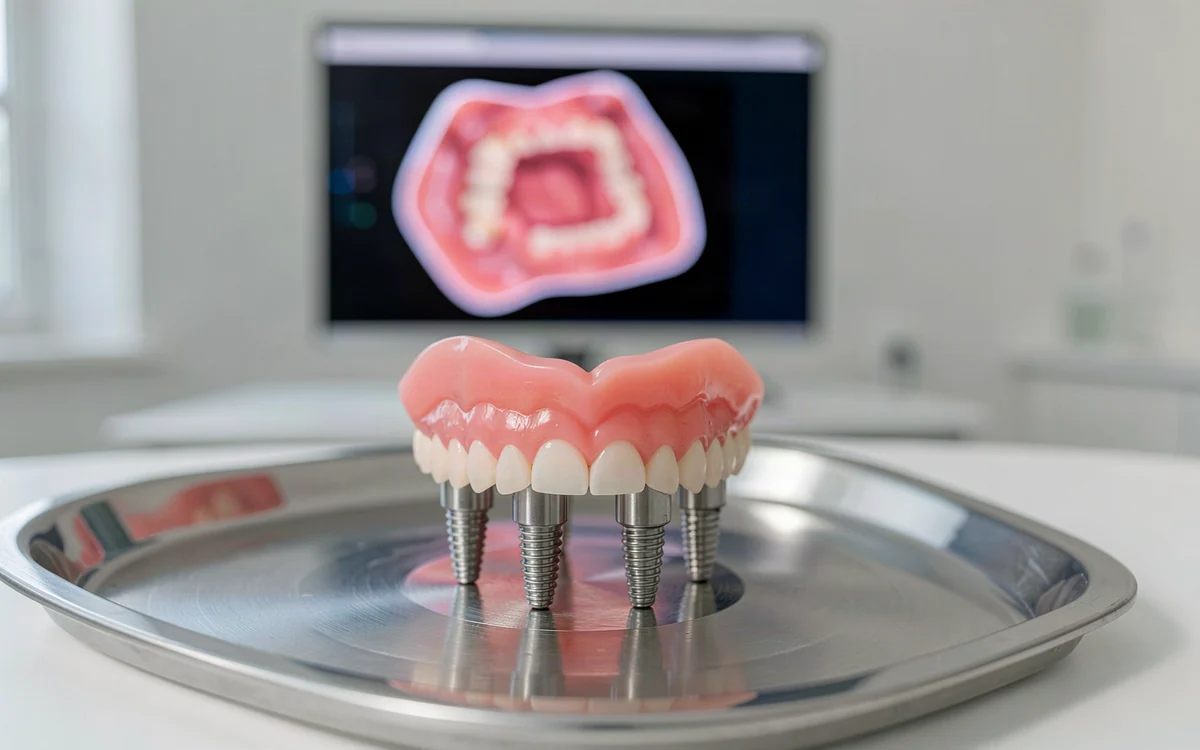
All-on-4 is a full-arch option: four implants placed in the jaw, carrying a fixed arch of teeth. Published 2025-2026 United States cost guides put it at $15,000 - $30,000 per arch, with higher-end zirconia arches quoted above that.
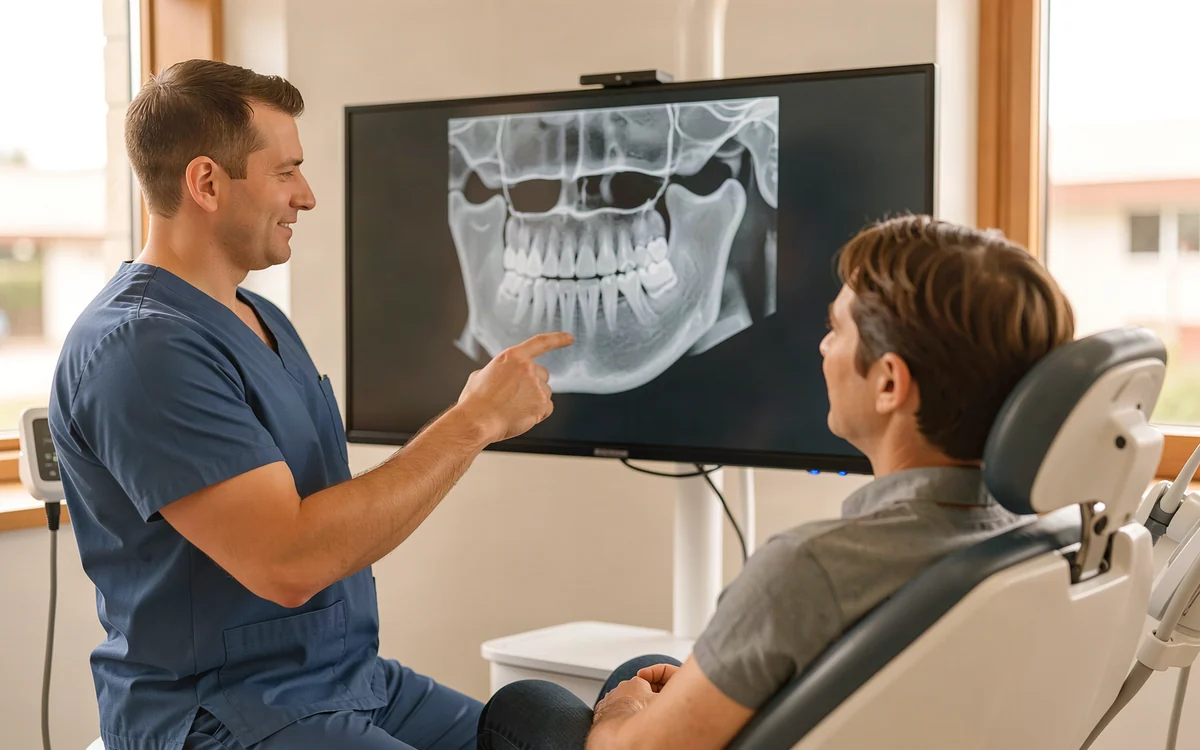
Full mouth implants means rebuilding both arches. Published 2025-2026 United States guides carry per-arch figures rather than a both-arches figure, so a two-arch plan is compared arch by arch, itemised.
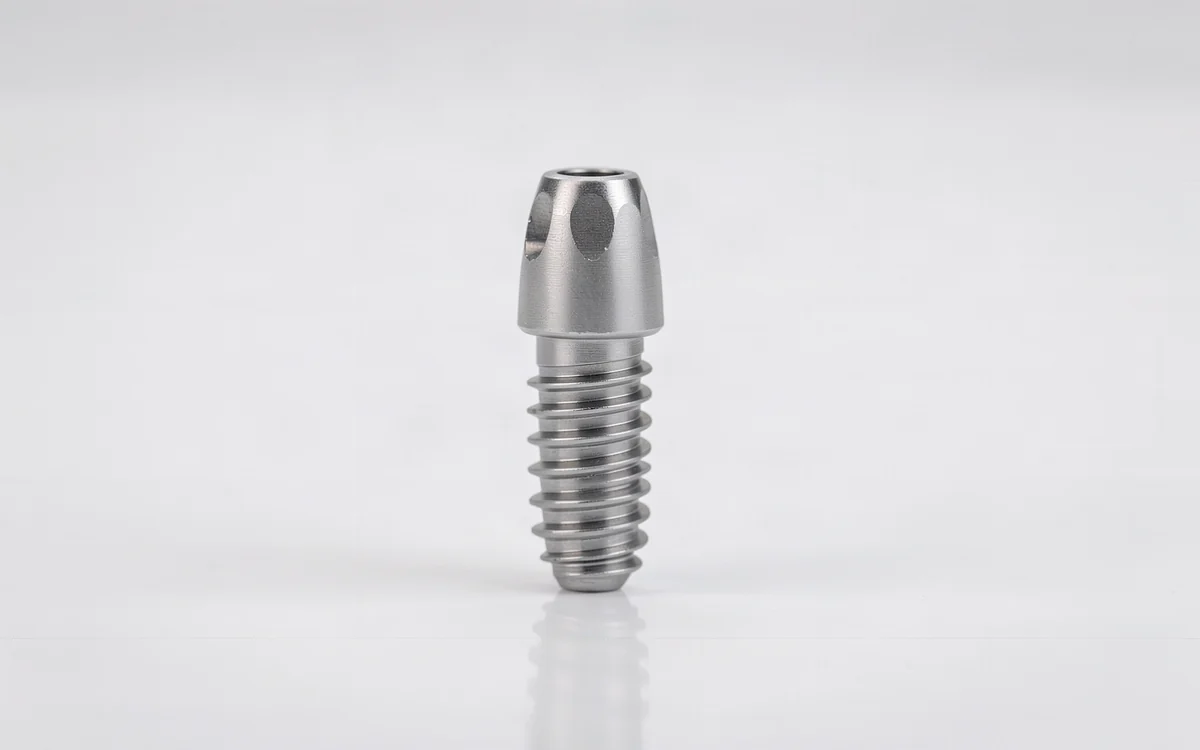
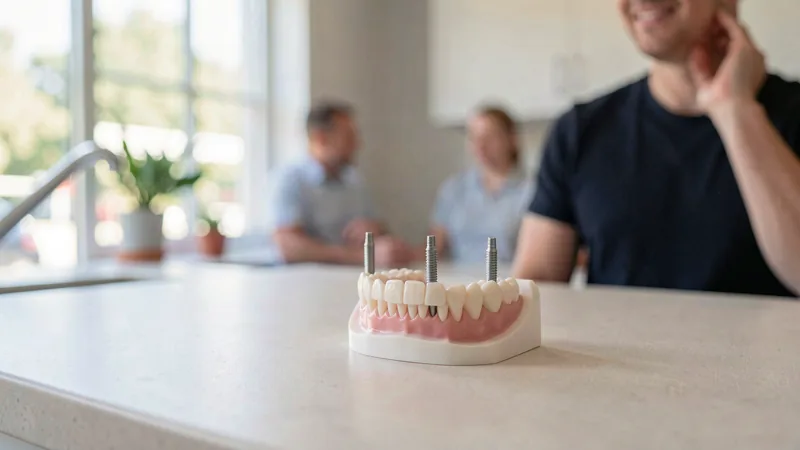
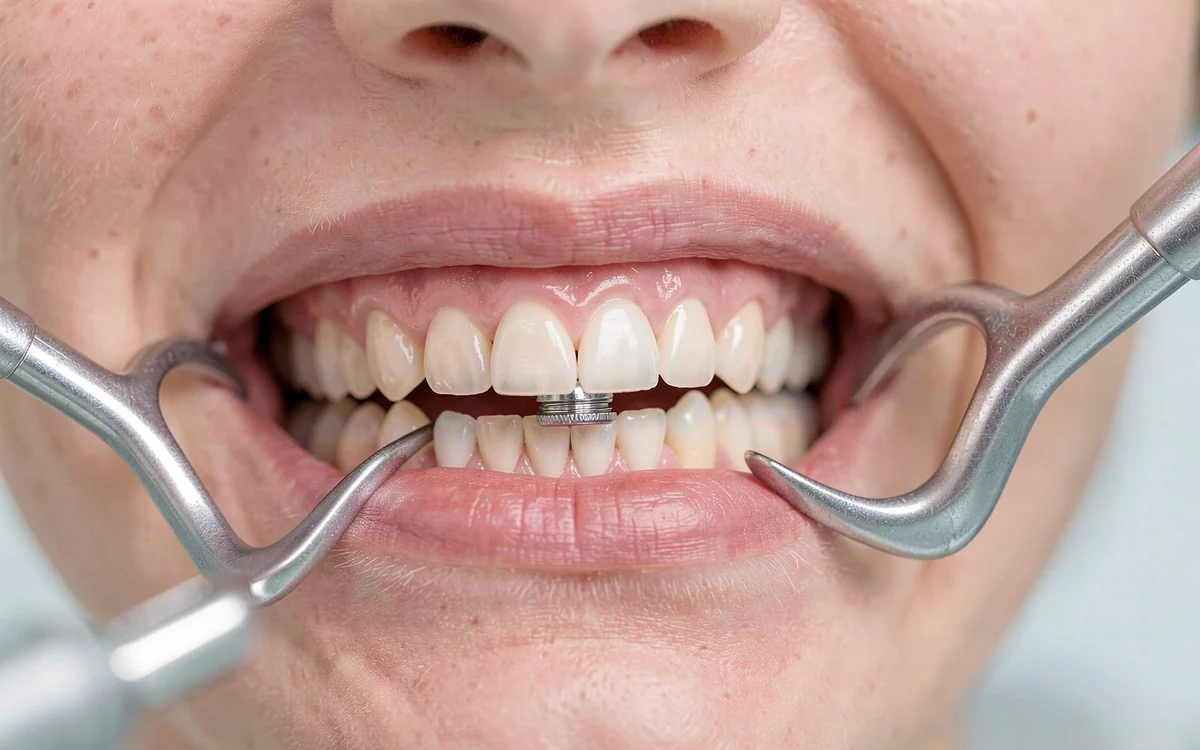
A single implant replaces one tooth: a fixture in the jaw, an abutment, and a crown on top. Published 2025-2026 United States guides put the finished tooth at $3,000 - $5,000, with some guides to $6,000 where a graft is needed.
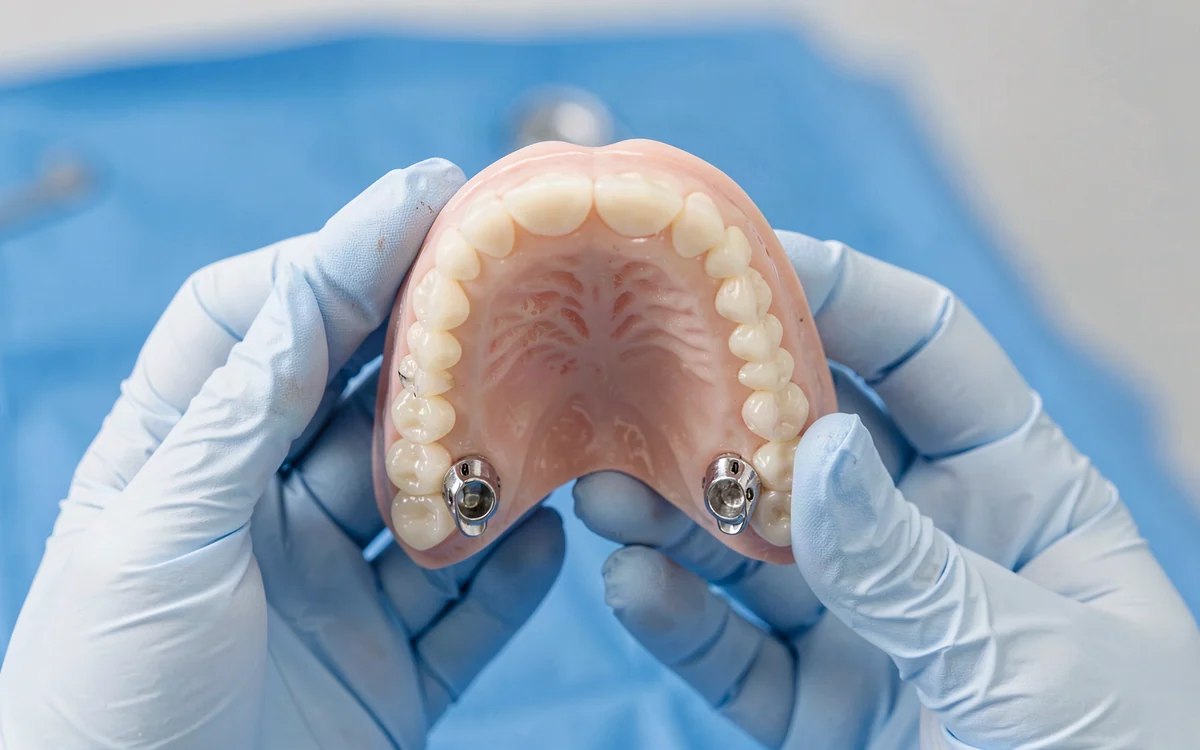
An implant-supported denture is held by two to four implants and still comes out for cleaning. Published 2025-2026 United States guides put it at $6,000 - $15,000 per arch, against $15,000 - $30,000 per arch for a fixed full arch.
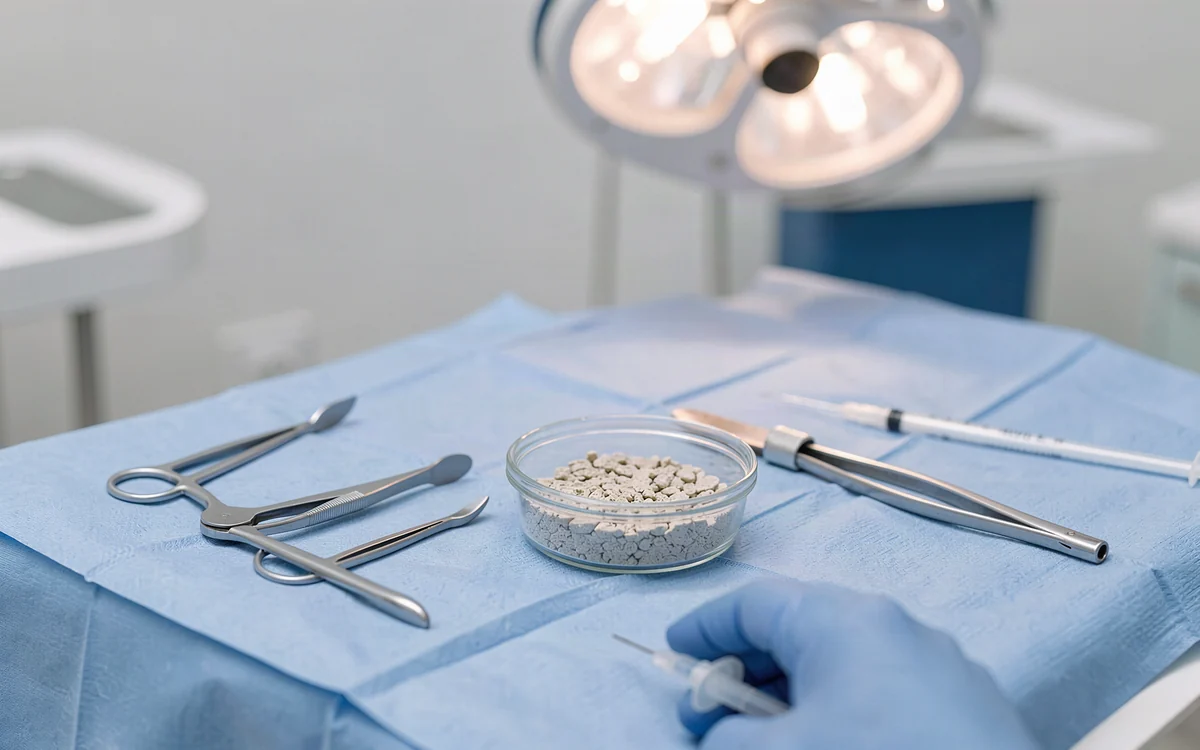
A graft rebuilds bone where the ridge has shrunk too far for an implant. Published 2025-2026 United States guides put bone graft or ridge augmentation at $600 - $3,000 per site, and the decision comes from the CT scan rather than from how many teeth were lost.
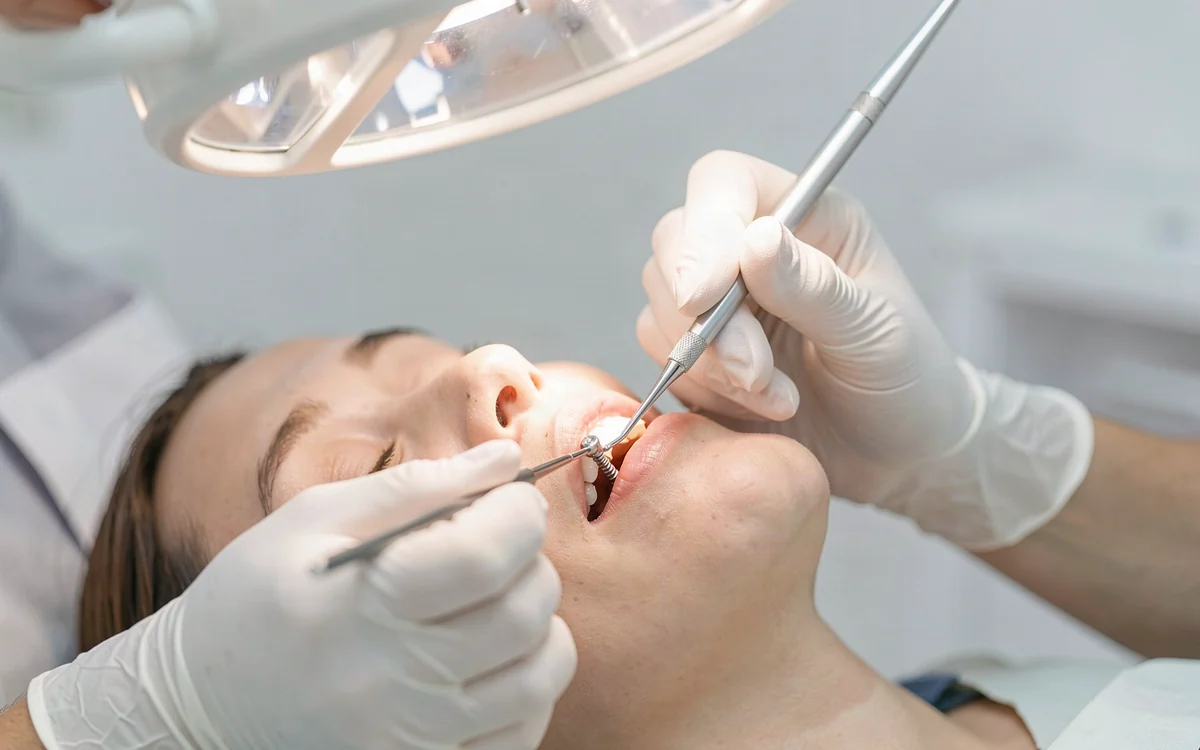
Implants need cleaning and review after they are fitted. Peri-implantitis - inflammation around the implant - is the failure mode that follow-up appointments are looking for, and it is the reason the aftercare side of a quote deserves the same attention as the surgery.
| Job | Published range |
|---|---|
| Single implant with crown | $3,000 - $5,000 |
| Implant-supported overdenture | $6,000 - $15,000 |
| Full arch, All-on-4 | $15,000 - $30,000 |
| Bone graft or ridge augmentation | $600 - $3,000 |
| CT scan and planning | $100 - $500 |
The published figures are per implant, per arch or per site, and full-arch quotes usually bundle the surgery, the temporary teeth and the final prosthesis into one number. Dental plans commonly cap implants at an annual maximum, which is why the itemised quote matters more than the headline price.
Chicago is a city of roughly 2.6 million people across Cook County, and the practices here split into three groups: general offices that restore implants but refer the surgery, periodontal and oral-surgery groups that place them, and a handful of full-arch clinics that do the whole sequence in one location. Which group you end up with decides how many appointments the plan takes, who owns the case if something needs adjusting, and whether the surgical and prosthetic fees arrive as one quote or two.
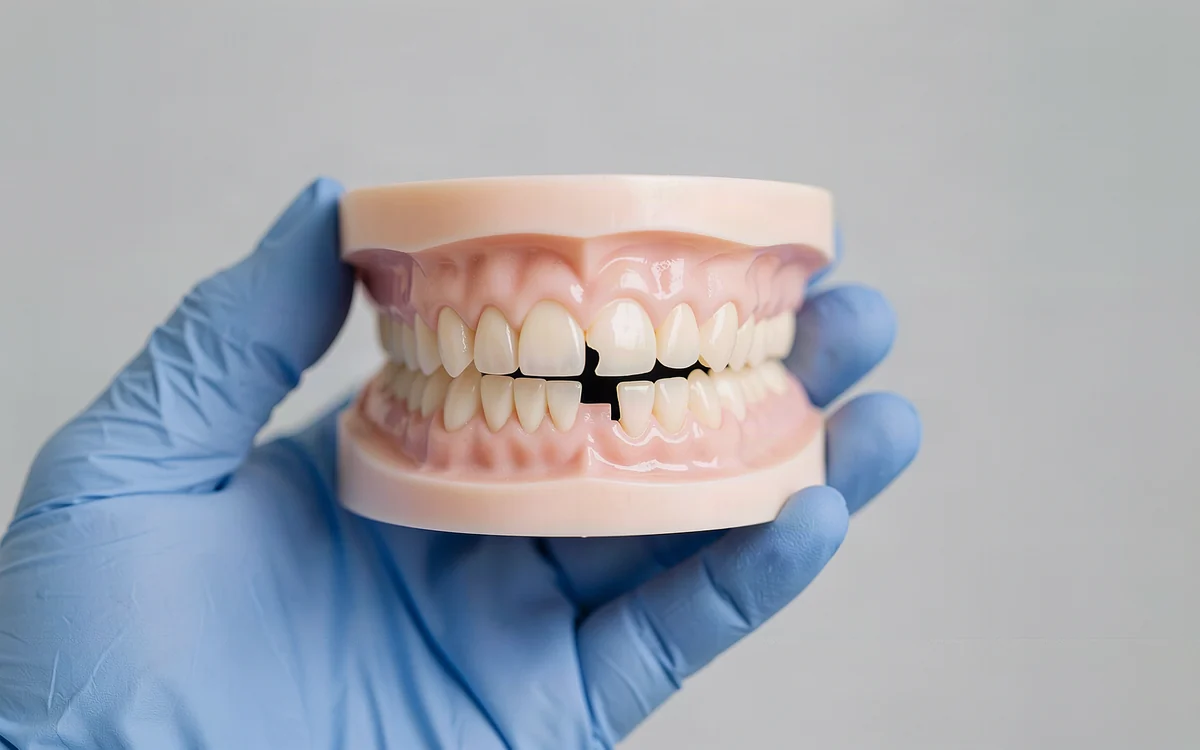
A missing tooth is not only a gap.
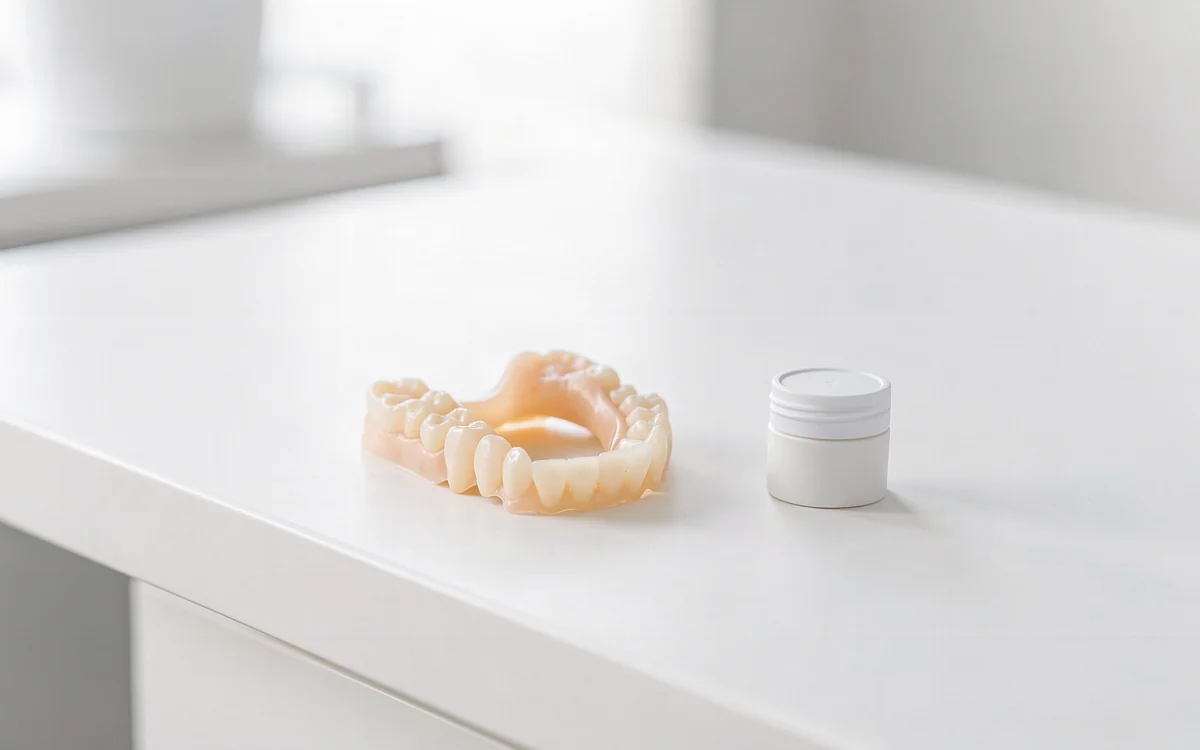
A denture that lifts when you eat, traps food underneath or rubs a sore spot is usually described as a denture problem.
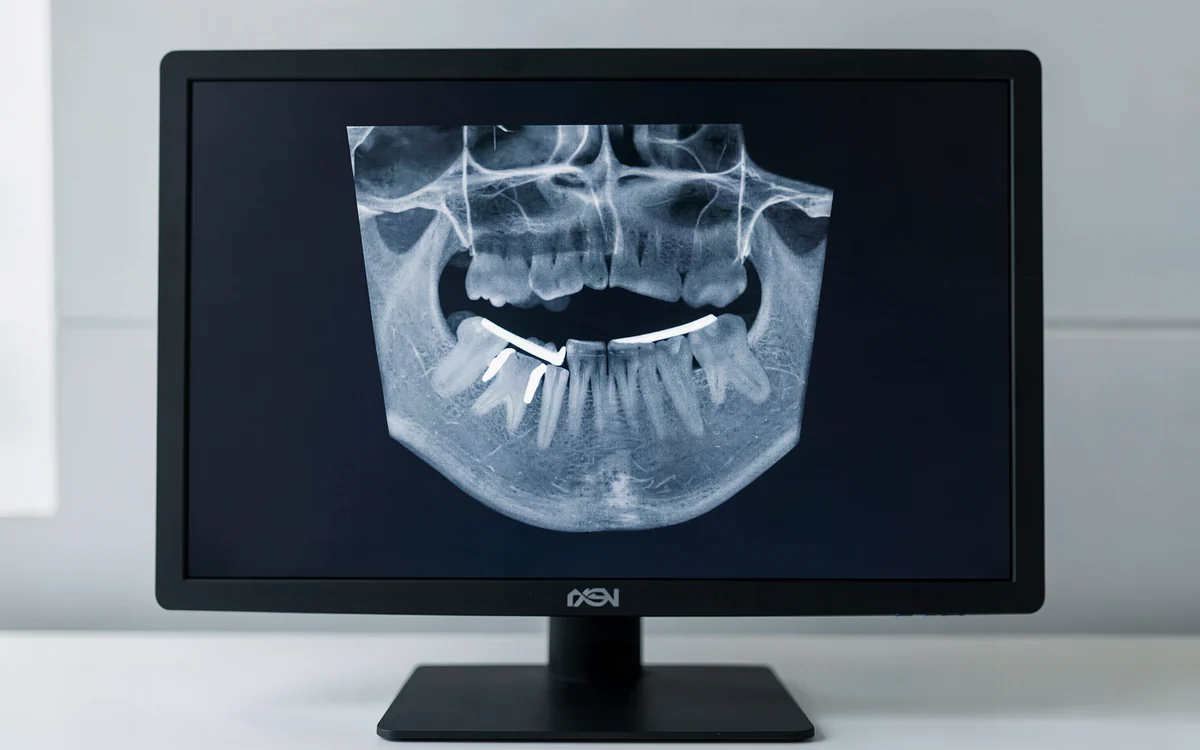
The bone that held a tooth exists to carry the load of that tooth.
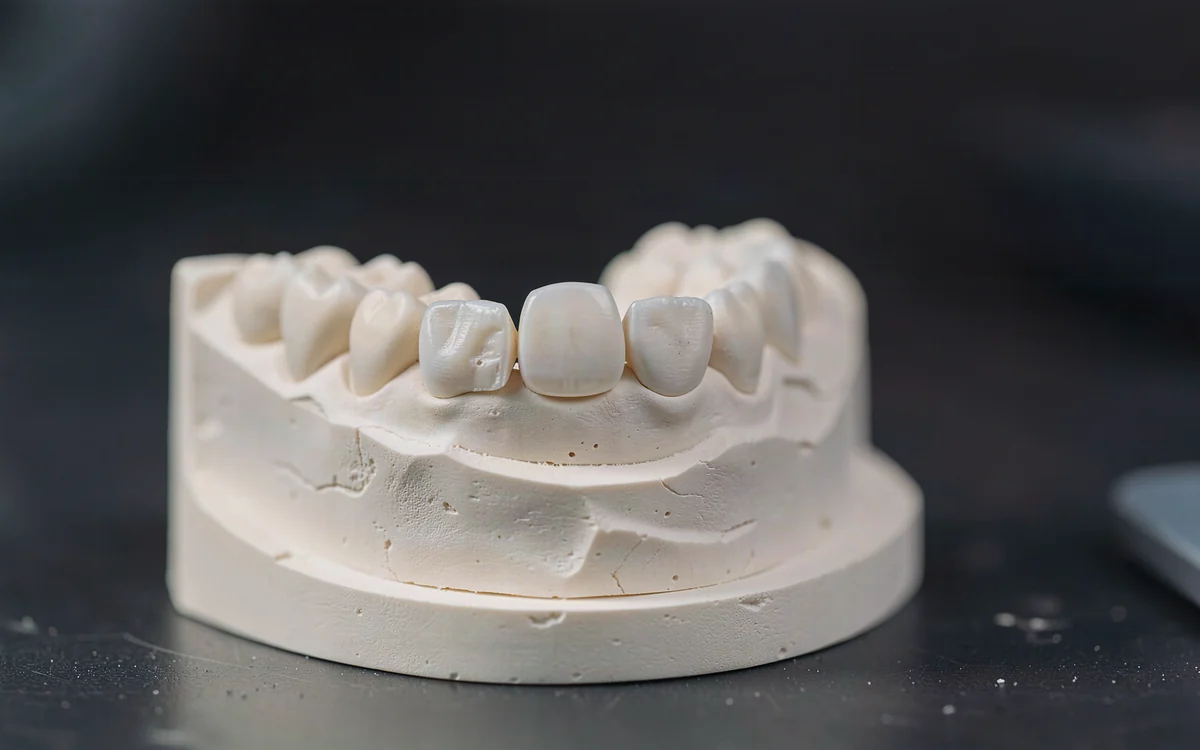
A crown covers and protects a tooth that has lost structure.
Gum disease is the one problem on this list that can take the teeth and then threaten whatever replaces them.
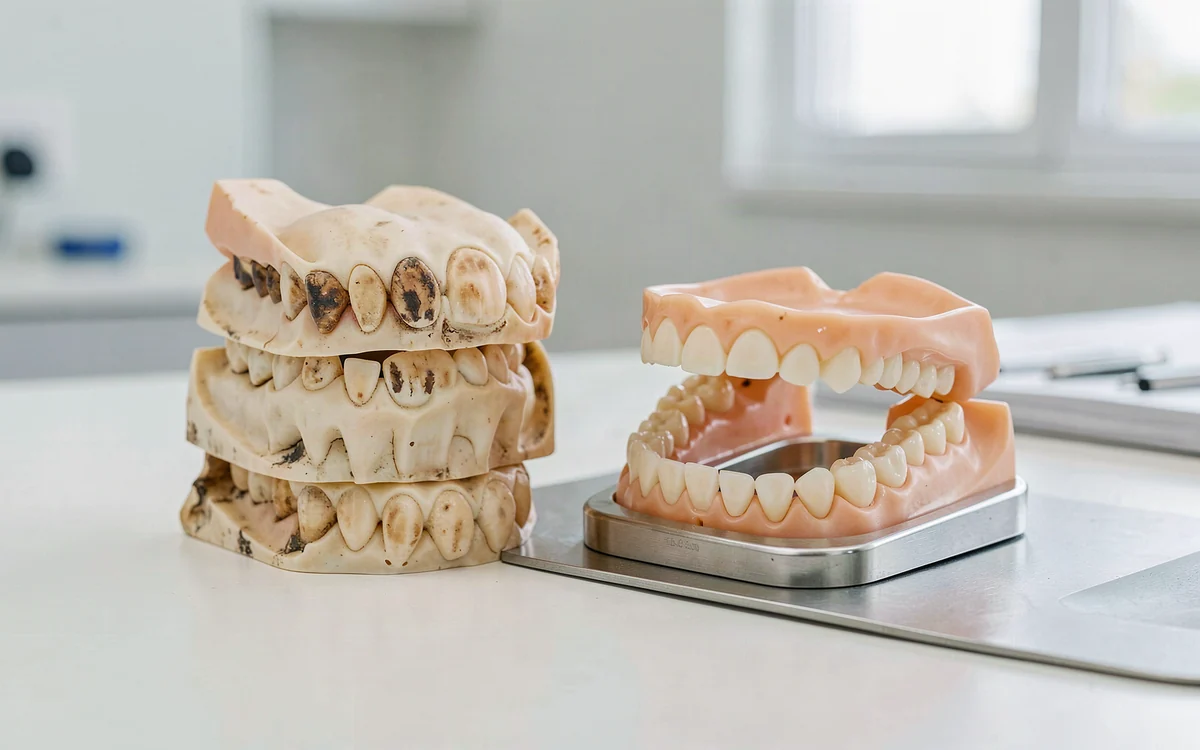
A denture is not a single purchase in practice.
These calculators are educational: they itemise what an implant quote is actually made of, compare the arch options on published figures, and lay out the questions that still have to be answered by the practice.
Open all 10 tools → | Which option fits my situation
Every figure published on this site is a US range, not a local quote: a single implant with its finished crown at $3,000 - $5,000, an implant-supported overdenture at $6,000 - $15,000 per arch, and a full-arch All-on-4 at $15,000 - $30,000 per arch, with higher-end zirconia arches quoted above that. A graft, if the site needs one, is commonly $600 - $3,000, imaging and planning $100 - $500, and an extraction of a failing tooth $150 - $600. Chicago practices quote at different depths, so the itemised version of a quote is the one to compare.
The implant itself and its placement, the abutment, the final tooth or arch, any temporary teeth worn during healing, grafting or extractions if they are part of the plan, imaging and planning, sedation if it is used, and the follow-up visits. Some practices give one bundled arch price and others list every component - which is why two quotes without the itemisation are not comparing the same treatment.
It depends entirely on the bone at the site. The ridge shrinks after a tooth is lost, and where it has shrunk too far for the planned implant, a graft or a sinus lift rebuilds the site first. That decision comes from the CT scan and the examination, not from the tooth count. Published guides put a bone graft or ridge augmentation at $600 - $3,000 per site, usually as its own line outside the implant fee.
Implants are usually placed in two stages: surgical placement, then the finished tooth or arch once the implant has fused with the bone. Osseointegration commonly takes three to six months. Some full-arch cases load a temporary bridge on the day of surgery, with the final prosthesis following once healing is complete. If a graft is needed it comes first and has its own healing time before the implant stage.
Dental plans commonly cap implants at an annual maximum, and that maximum typically covers only part of one implant; some plans exclude them entirely. Where they are covered, the plan usually pays a percentage of its own allowed amount rather than the practice fee. Medical plans sometimes cover the surgical part where tooth loss follows an accident or a medical condition. Ask the practice for the written plan so you can request a pre-treatment estimate.
FSA and HSA funds can be applied to dental treatment - implant work is a dental expense - subject to your own plan's rules and deadlines. On the care side, two Chicago dental schools treat the public at reduced fees: UIC College of Dentistry and Midwestern University College of Dental Medicine-Illinois in Downers Grove. They are named as a lower-cost route, never as a recommendation, and a teaching clinic means longer appointments and waiting lists. Illinois Medicaid adult dental coverage is limited, and NIDCR's Finding Dental Care page is the citable pointer for other low-cost routes.
On published ranges, an implant-supported overdenture is $6,000 - $15,000 per arch using two to four implants, and a fixed full arch is $15,000 - $30,000 per arch using four. The practical difference is that an overdenture still clips out for cleaning while a fixed arch does not, and the fixed option depends on the bone available. Which is realistic for you is a clinical decision made from the examination and the CT scan.
A single implant replaces one tooth at a published $3,000 - $5,000 with the finished crown. Where several teeth are missing, the choice between replacing them individually and rebuilding the arch on four implants is decided by how many teeth are gone, where they are, how much bone is available and what the long-run replacement cost of each route looks like. Published ranges only tell you the order of magnitude; the plan tells you which applies.
Because they rarely cover the same things. Chicago implant work is split between general offices that restore and refer the surgery, periodontal and oral-surgery groups that place implants, and full-arch clinics that do the whole sequence in one place. One quote may be surgery only with the final prosthesis to follow; another may include the temporary teeth you leave with; one may fold grafting into the headline figure while the other lists it separately at $600 - $3,000 per site; and one may carry a prosthesis warranty the other does not.
The five things worth having in writing from each practice: what exactly the fee covers (implant, abutment, final teeth, or only part of that); how many implants are proposed and what happens to the total if a graft or extraction is added later; whether you leave with teeth on the day of surgery and whether the temporary is included; who makes the final teeth and in what material; and what the remake or warranty policy is, plus what maintenance costs each year. Compared that way, the numbers usually stop looking like a mystery.
Implants need cleaning and review, and peri-implantitis - inflammation around the implant - is the failure mode those follow-up appointments are looking for. Ask the practice what review it includes in the first year, what a maintenance visit costs afterwards, and what its prosthesis policy expects of you at home to stay valid.
Dentists who place or restore implants in Illinois practise under a licence issued by the Illinois Department of Financial and Professional Regulation, and sedation carries its own permit level - so it is reasonable to ask which permit the dentist holds. If a plan involves a periodontist or an oral surgeon for the surgical stage, the practice running the case should tell you who that is before treatment starts.
Cost calculators, comparisons and checklists. No sign-up.
Estimate the range for a case in about a minute.
Every published appliance range, in one page.
What to bring and what to ask before you commit.
Ten questions on costs, timing and coverage.
Eight questions that point to an appliance path.
Cost estimator, financing and payment planning, insurance and what you may still owe
Cost driver planner, insurance and code checker, multi-stage cost planner
Treatment finder and practice comparison scorecard
Appointment question builder, readiness checklist, medical-history and medication notes
Practice questions, records and imaging checklist, second opinion, smile check