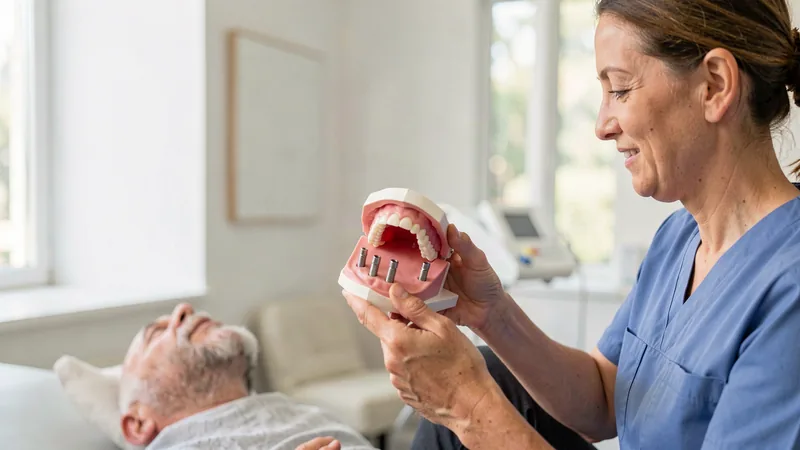
The final tooth or arch being fitted is the end of the treatment, not the end of the case. Implants need cleaning and review, and the reviews exist for one specific reason: peri-implantitis, the inflammation around an implant that follow-up appointments are looking for. It is quiet for a long time, which is exactly why patients skip the appointments that would catch it. Most of the work of the second year and every year after it is unglamorous, cheap next to the surgery, and easy to postpone. This page sets out what the reviews are for and what to ask the practice before the first anniversary of your placement. Chicago Dental Implants is a free matching service, not a dental practice; the cleaning routine and the review schedule come from the dentist.
Treatment ends, monitoring does not
Osseointegration, the process in which the implant fuses with the bone, commonly takes three to six months and is checked before the final tooth goes on. That check reflects the position at the time, and the bone around an implant keeps responding to load and to gum health long after the crown is fitted.
Implants do not decay the way teeth do. They also do not have the ligament that a natural tooth has, which is part of why the way they are cleaned and checked differs.
The practical consequence is that a case can look finished and still need watching. If your plan ended with a fitting appointment and no review schedule, that is the first thing to ask about.
What a review appointment is for
A review is not a polish and a reminder. It looks at the gum around each implant, the way the prosthesis sits and loads, and the bone level on imaging if the practice takes it. The point is comparison: what has changed since the last visit, and how much.
Ask what the appointment includes before you book it: gum measurements, a check of the bite and the prosthesis, imaging or not, and who carries it out. Some practices do this work themselves, some hand the hygiene visits to a hygienist, and some send patients back to the referring dentist. Where the reviews happen matters, because the person who placed the implant has the baseline and the person who sees you most often has the history.
If you move house or the practice changes hands, ask for the record of the implant system used and the review history, so the next clinician starts from something better than a guess.
Peri-implantitis, in plain terms
Peri-implantitis is inflammation around an implant. It is the failure mode the follow-up appointments exist to find, and it is the reason a patient who feels nothing is still asked to come in.
Inflammation around an implant is largely a cleaning problem, not a surgical one, and it is treated differently depending on how far it has gone. Published guidance treats this as a condition to be monitored and managed rather than a single event to be cured once. That is why the schedule matters more than any one appointment.
Where it does progress, the implant or the prosthesis around it can be at risk, and the cost of dealing with that is a separate conversation from the original plan. A written review schedule is the cheapest part of the whole treatment.
Cleaning around an implant is a different job
Implants and the teeth attached to them collect plaque like anything else, but the surfaces are different and the gaps between the implant and the gum are different from the ones around a natural tooth. The cleaning kit and the technique follow from that.
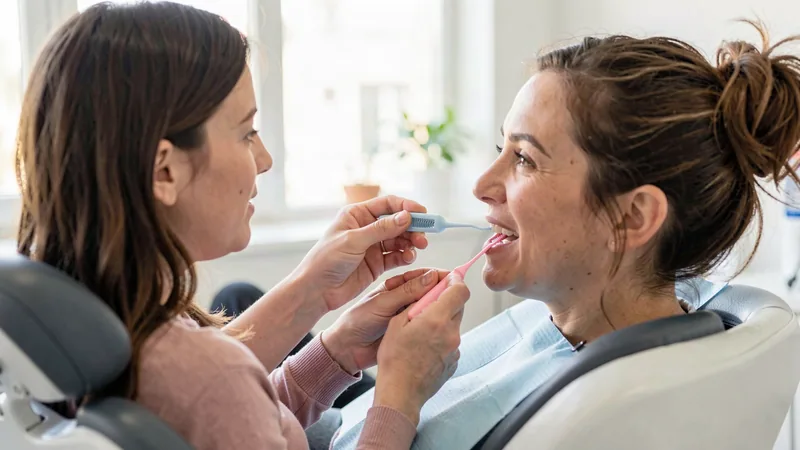
Ask the practice to show you what to use around your specific restoration, in the mouth rather than on a leaflet: which interdental brushes or floss alternatives it recommends, how to clean under a fixed bridge or arch, and how to clean around the attachments if you have an implant-supported denture that comes out.
Patients who clean well still need reviews, and patients who do not are the ones the schedule is designed to catch. Neither statement is a reason to skip the appointment.
The follow-up that most often gets skipped
The appointments patients drop are the ones with no obvious problem attached to them. Nothing hurts, the teeth look fine, work is busy, and the review moves to next year. There is no fee for the implant to signal that anything is happening.
Two other habits cause the same gap. One is assuming the general checkup covers it, when the implant review may not be part of a routine hygiene visit. The other is losing track of the schedule when the practice that placed the implant is not the practice you see for everything else.
The fix is administrative rather than clinical. Put the reviews on the calendar when the plan is written, ask how many are included in the quoted fee, and ask what happens to that cover if an appointment is missed. Then ask where the reviews will happen if you move within Chicago or out to one of the surrounding towns.
What the maintenance plan should say in writing
The quoted fee is usually built around the surgery and the prosthesis. Maintenance is the part that quietly falls outside it, which is why it should be written down rather than described.
Ask for five things in the plan: how many review visits are included, over what period, what happens after that period ends, what a repair or a remake of the prosthesis costs if you need one, and which maintenance appointments are required to keep any warranty valid.
This site publishes treatment ranges, not maintenance fees, because no approved figure for a review visit exists here. Where a number is missing from your plan, the practice is the only source for it, and it is worth getting the answer in writing before the final fitting rather than afterwards.
Questions for your first annual review
A short list is enough: what has changed around the implants since the last visit, is there any inflammation or bone change to watch, does the prosthesis still fit and load correctly, is anything about my home routine worth adjusting, and when is the next review due.
Add one that patients rarely ask: who owns the maintenance now. If the answer is a practice other than the one that fitted the restoration, ask how records and any repair work travel between them.
This site is an independent matching service and holds no clinical licence. We do not clean, review or repair implants. What we do is introduce you to licensed implant dentists who cover your part of Chicago, at no charge, and the review schedule comes from them.
Frequently asked questions
How often do implants need reviewing after the first year?
The interval is a clinical decision and belongs to the dentist, which is why this site publishes no review cadence. What you can ask for is the number of reviews included in the quoted fee, the period they cover, and what the schedule is expected to be after that.
What is peri-implantitis?
It is inflammation around an implant, and it is the failure mode that follow-up appointments exist to look for. Because it can be quiet for a long time, patients who feel nothing are still asked to come in for review.
Can my general dentist do the implant maintenance?
Sometimes, and it depends on the arrangement between the practices. Ask who will carry out the reviews and who holds the record of the implant system used, so the clinician you see has a baseline to compare against.
Is maintenance included in an implant quote?
Often only partly. Ask how many review visits the fee includes, what happens when they run out, what a prosthesis repair or remake costs afterwards, and which appointments the written warranty requires you to keep.
Sources
Related




Dental Implants services in Chicago
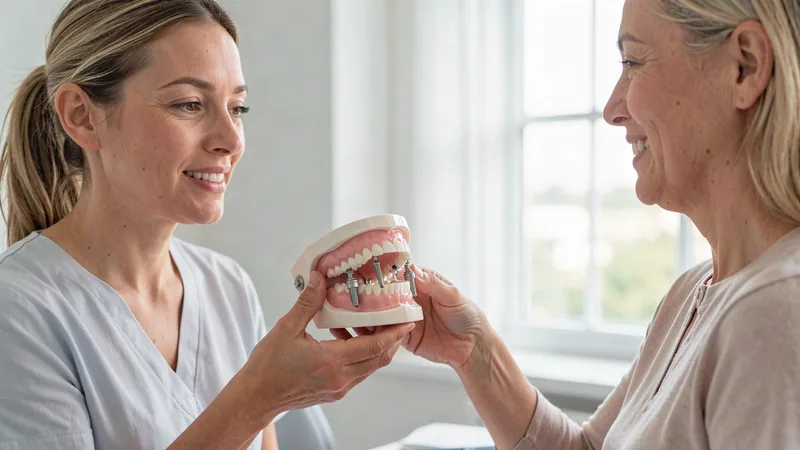
All On 4 Implants
All-on-4 is a full-arch option: four implants placed in the jaw, carrying a fixed arch of teeth. Published 2025-2026 United States cost guides put it at $15,000 - $30,000 per arch, with higher-end zirconia arches quoted above that.

Full Mouth Dental Implants
Full mouth implants means rebuilding both arches. Published 2025-2026 United States guides carry per-arch figures rather than a both-arches figure, so a two-arch plan is compared arch by arch, itemised.
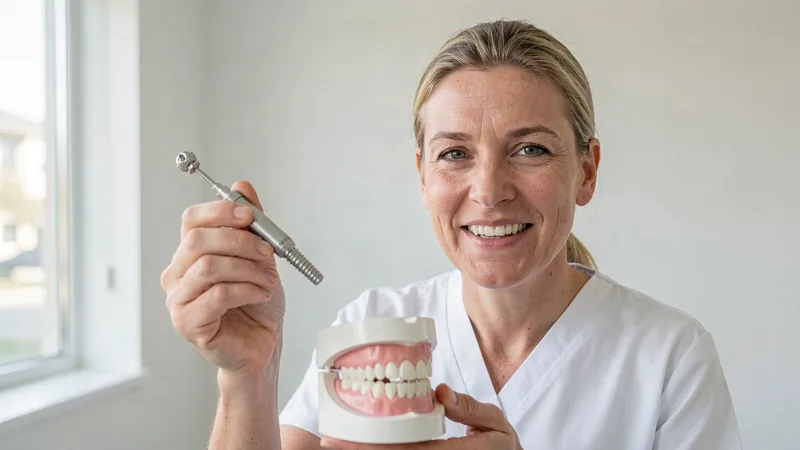
Single Tooth Implants
A single implant replaces one tooth: a fixture in the jaw, an abutment, and a crown on top. Published 2025-2026 United States guides put the finished tooth at $3,000 - $5,000, with some guides to $6,000 where a graft is needed.
Implant Supported Dentures
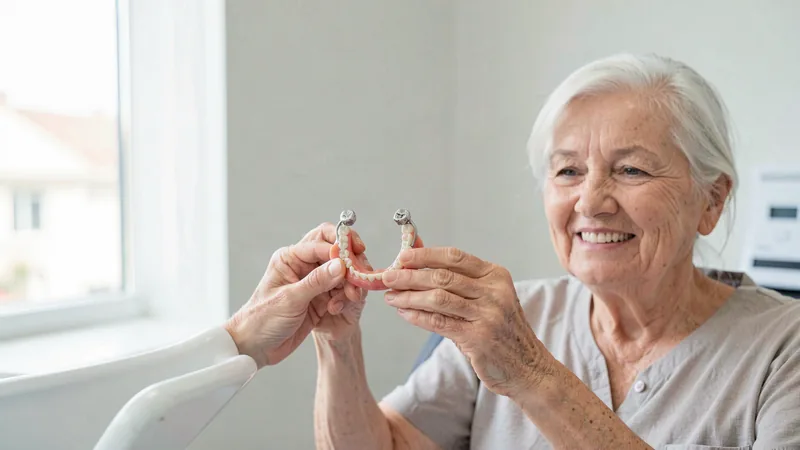
An implant-supported denture is held by two to four implants and still comes out for cleaning. Published 2025-2026 United States guides put it at $6,000 - $15,000 per arch, against $15,000 - $30,000 per arch for a fixed full arch.

Bone Grafting
A graft rebuilds bone where the ridge has shrunk too far for an implant. Published 2025-2026 United States guides put bone graft or ridge augmentation at $600 - $3,000 per site, and the decision comes from the CT scan rather than from how many teeth were lost.
Implant Maintenance
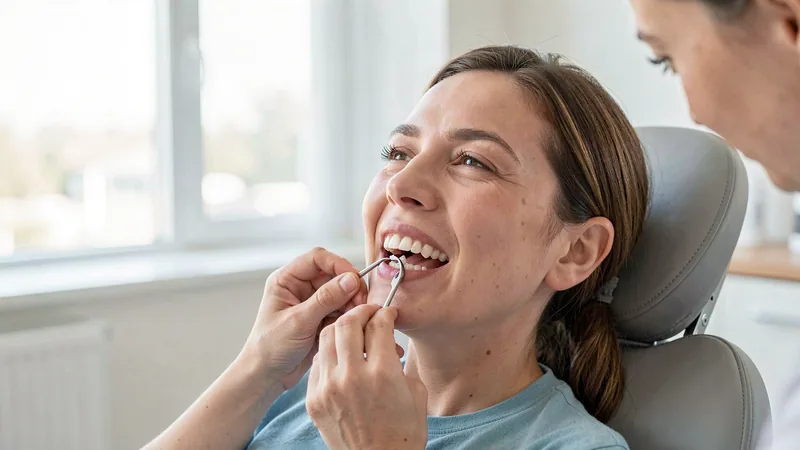
Implants need cleaning and review after they are fitted. Peri-implantitis - inflammation around the implant - is the failure mode that follow-up appointments are looking for, and it is the reason the aftercare side of a quote deserves the same attention as the surgery.
Areas we serve

Chicago
Dental Implants in Chicago, IL - costs, water and soil notes.

Evanston
Dental Implants in Evanston, IL - costs, water and soil notes.

Oak Park
Dental Implants in Oak Park, IL - costs, water and soil notes.

Cicero
Dental Implants in Cicero, IL - costs, water and soil notes.

Berwyn
Dental Implants in Berwyn, IL - costs, water and soil notes.

Skokie
Dental Implants in Skokie, IL - costs, water and soil notes.

Des Plaines
Dental Implants in Des Plaines, IL - costs, water and soil notes.

Park Ridge
Dental Implants in Park Ridge, IL - costs, water and soil notes.

Niles
Dental Implants in Niles, IL - costs, water and soil notes.

Elmwood Park
Dental Implants in Elmwood Park, IL - costs, water and soil notes.

Norridge
Dental Implants in Norridge, IL - costs, water and soil notes.

Lincolnwood
Dental Implants in Lincolnwood, IL - costs, water and soil notes.

Morton Grove
Dental Implants in Morton Grove, IL - costs, water and soil notes.

River Forest
Dental Implants in River Forest, IL - costs, water and soil notes.
Dental Implants tools & calculators
All 10 free Dental Implants tools
Cost calculators, comparisons and checklists. No sign-up.
Cost calculator
Estimate the range for a case in about a minute.

Cost guide
Every published appliance range, in one page.

Consultation checklist
What to bring and what to ask before you commit.

Knowledge quiz
Ten questions on costs, timing and coverage.

Which option fits my situation
Eight questions that point to an appliance path.

Cost & Payment tools
Cost estimator, financing and payment planning, insurance and what you may still owe

Cost & coverage tools
Cost driver planner, insurance and code checker, multi-stage cost planner
Compare & choose tools
Treatment finder and practice comparison scorecard
Prepare & safety tools
Appointment question builder, readiness checklist, medical-history and medication notes
Checklists & Answers tools
Practice questions, records and imaging checklist, second opinion, smile check